


Understanding the Importance of Property Valuation in Perth
Property valuation is a vital aspect of the real estate market in Perth. Whether you’re a homeowner, an investor, or a potential buyer, understanding the true value of a property is essential for making informed decisions. Accurate property valuations provide a realistic estimate of a property’s worth, which can significantly impact buying, selling, or investing strategies.
Why Accurate Property Valuation Matters
Accurate property valuation is more than just a number; it represents a property’s fair market value, which is determined through a thorough analysis of various factors. In Perth, where the property market can fluctuate due to economic conditions, local developments, and demand, obtaining a precise valuation is crucial.
- Informed Decision-Making: Accurate valuations allow homeowners and investors to make informed decisions about selling, buying, or refinancing properties.
- Fair Pricing: For sellers, a proper valuation ensures that the property is priced competitively, attracting potential buyers while maximising returns.
- Investment Strategy: Investors rely on valuations to assess the profitability of potential investments and to plan their portfolio strategies effectively.
Factors Influencing Property Valuation in Perth
Several factors influence property valuation in Perth. Understanding these factors can help homeowners and investors gauge what affects their property’s value.
- Location: Proximity to amenities, schools, public transport, and the CBD can significantly impact a property’s value.
- Property Size and Condition: Larger properties or those in excellent condition often have higher valuations.
- Market Trends: Current market conditions, including demand and supply, can cause property values to fluctuate.
- Recent Sales: Comparable sales in the area provide a benchmark for valuation.
- Zoning and Land Use: Properties in desirable zones or with potential for development typically have higher valuations.
The Process of Property Valuation
The process of property valuation involves a detailed assessment carried out by qualified professionals. Here’s an overview of what the valuation process entails:
- Initial Consultation: The valuer meets with the property owner to discuss the purpose of the valuation and gather relevant information.
- On-Site Inspection: The valuer conducts a thorough inspection of the property, noting its size, condition, and unique features.
- Market Analysis: The valuer analyses recent sales data, market trends, and comparable properties in the area.
- Valuation Report: A detailed report is prepared, outlining the property’s estimated value and the factors contributing to it.
Conclusion
Property valuation in Perth is an essential tool for anyone involved in the real estate market. By understanding the factors that influence property value and the importance of accurate valuations, homeowners and investors can make more informed decisions, leading to better financial outcomes.

How to Choose the Right Property Valuer in Perth
Selecting the right property valuer in Perth is crucial for obtaining an accurate and reliable valuation. Whether you’re looking to buy, sell, or refinance, the expertise of your valuer can make a significant difference in the outcome. This guide will help you understand what to look for in a property valuer to ensure you receive the best service possible.
Why Choosing the Right Valuer Matters
The quality of your property valuation depends largely on the expertise of the valuer. A skilled and experienced valuer will provide a thorough and accurate assessment, while an inexperienced valuer may overlook critical factors, leading to an inaccurate valuation.
- Accurate Valuations: A reputable valuer ensures that the valuation reflects the true market value, helping you make informed decisions.
- Confidence in Transactions: Whether buying or selling, a trusted valuer gives you confidence in your financial decisions.
- Compliance with Regulations: Professional valuers adhere to industry standards, ensuring compliance with legal requirements.
Key Qualities of a Good Property Valuer
When choosing a property valuer in Perth, it’s essential to consider several key qualities and qualifications. Here’s what to look for:
- Experience: Look for valuers with extensive experience in the Perth property market. Experience often translates into a deeper understanding of local market trends and conditions.
- Qualifications: Ensure the valuer is certified and a member of a recognised professional body, such as the Australian Property Institute (API).
- Local Knowledge: A valuer with local knowledge will have insights into the specific factors affecting property values in different Perth suburbs.
- Reputation: Check reviews, testimonials, and references to gauge the valuer’s reputation in the industry.
- Communication Skills: A good valuer should be able to explain the valuation process and results clearly and concisely.
Steps to Finding the Right Property Valuer
Finding the right property valuer involves more than just a quick search online. Follow these steps to ensure you choose a valuer who meets your needs:
- Research Online: Start by researching valuers in Perth online. Look for those with positive reviews and a strong online presence.
- Check Credentials: Verify the valuer’s qualifications and memberships with professional organisations.
- Ask for Recommendations: Seek recommendations from friends, family, or real estate agents who have experience with property valuations.
- Request a Quote: Contact potential valuers and request a quote for their services. Compare prices and services offered.
- Schedule a Consultation: Meet with the valuer to discuss your needs and assess their communication style and professionalism.
Conclusion
Choosing the right property valuer in Perth is a critical step in ensuring an accurate and reliable property valuation Perth. By focusing on experience, qualifications, local knowledge, and reputation, you can find a valuer who will provide the expert insights needed to make informed property decisions.

The Role of Property Valuation in Perth’s Real Estate Market
Property valuation plays a pivotal role in Perth’s real estate market, influencing a wide range of decisions from buying and selling to investing and development. Understanding how property valuation in Perth impacts the market is essential for anyone involved in real estate, whether you’re a homeowner, investor, or developer.
How Property Valuation Influences the Market
Property valuations provide a benchmark for determining the value of real estate assets. These valuations are crucial for setting prices, assessing investment opportunities, and making informed decisions in the market.
- Price Setting: Sellers rely on valuations to set competitive prices, while buyers use them to gauge fair market value.
- Investment Decisions: Investors use valuations to assess the potential return on investment, guiding their decisions on purchasing or selling properties.
- Development Planning: Developers depend on valuations to determine the feasibility of projects and secure financing.
The Impact of Market Conditions on Property Valuation
The real estate market in Perth is dynamic, with property values fluctuating based on various factors. Market conditions play a significant role in influencing property valuations, and understanding these conditions can help stakeholders navigate the market more effectively.
- Economic Factors: Interest rates, inflation, and employment rates can impact property values across Perth.
- Supply and Demand: High demand and limited supply can drive up property values, while an oversupply may lead to lower valuations.
- Government Policies: Zoning laws, development approvals, and tax policies can also affect property valuations.
The Role of Professional Valuers in the Market
Professional valuers are key players in Perth’s real estate market. Their expertise ensures that property valuations are accurate, reliable, and reflective of current market conditions.
- Market Insights: Valuers provide critical insights into local market trends, helping clients understand how their properties fit into the broader market.
- Risk Management: Accurate valuations help mitigate risks in property transactions, ensuring that buyers, sellers, and investors make informed decisions.
- Compliance and Regulation: Professional valuers adhere to strict industry standards, ensuring that valuations meet legal and regulatory requirements.
Case Study: Property Valuation in Perth’s Suburbs
The role of property valuation can be seen in action across various Perth suburbs. For example, valuations in emerging suburbs like Baldivis have shown significant growth potential, attracting investors and developers looking to capitalise on the area’s expanding infrastructure and amenities.
- Baldivis: Rapid development and infrastructure improvements have led to increased property values in this suburb.
- Fremantle: A mix of heritage properties and new developments has made property valuation complex, requiring expert local knowledge.
- Joondalup: As a major commercial hub, property valuations in Joondalup reflect both residential and commercial growth.
Conclusion
Property valuation is a cornerstone of Perth’s real estate market, influencing a wide range of decisions and shaping the market’s overall dynamics. By understanding the role of valuations, stakeholders can navigate the market more effectively, making informed decisions that align with their financial goals.
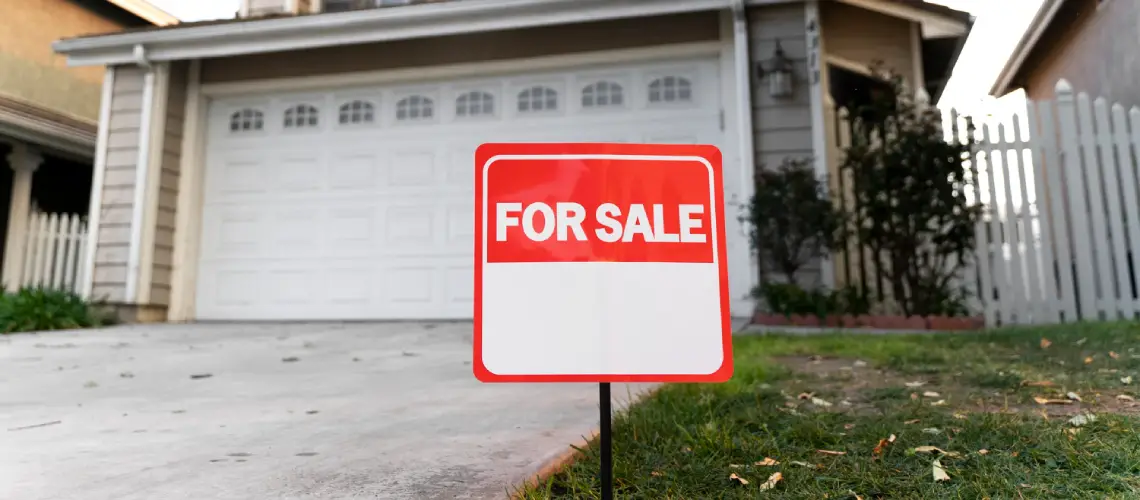
How to Sell Your Property in Adelaide When the Market is Down
Selling a property can be challenging at the best of times, but when the real estate market is down, it becomes even more difficult. As a property owner in Adelaide, you may face lower demand, decreased property values, and more competition from other sellers. However, with the right approach, it is still possible to sell your property successfully, even when the market is unfavourable.
This guide will outline key strategies for selling your property in Adelaide during a market downturn and explain how engaging with professional property valuers Adelaide can make all the difference.
1. Start with a Professional Property Valuation
Before listing your property for sale, it’s essential to get an accurate and up-to-date valuation. When the market is down, property values fluctuate more than usual, so having a precise idea of your home’s worth is critical. This is where professional property valuers in Adelaide come into play.
A qualified property valuer will provide an independent, objective assessment of your property based on:
- The condition and location of the property
- Recent sales of comparable properties
- Market trends in Adelaide
- Unique features or potential issues of the property
A reliable valuation helps you avoid overpricing or underpricing your home. In a down market, pricing your property right is crucial. Overpricing can scare off buyers, while underpricing might lead to financial losses. With the help of a local property valuer, you can confidently set a competitive price that aligns with current market conditions.
Bonus Tip: Choose Local Valuers
Engage property valuers familiar with Adelaide’s real estate landscape. They understand the nuances of the local market and can provide a more accurate valuation that reflects Adelaide’s specific trends.
2. Focus on Presentation: Staging Your Property
When the market is down, buyers tend to be more selective, meaning your property needs to stand out from the competition. One way to make a strong impression is by staging your home. Staging involves arranging your property to highlight its strengths and appeal to potential buyers.
Key Staging Tips:
- Declutter: Remove excess furniture and personal items to create a clean, open space.
- Neutral Colours: Consider repainting your walls in neutral tones to make rooms appear larger and more inviting.
- Repairs and Maintenance: Fix any noticeable issues, such as leaky taps, cracked tiles, or peeling paint, to give your property a well-maintained look.
- Outdoor Appeal: Don’t forget your garden or outdoor areas. Tidy lawns, fresh mulch, and attractive plants can boost your home’s curb appeal.
In a slower market, buyers are more likely to nitpick, so presenting your property in its best light can give you a competitive edge.
Bonus Tip: Use Professional Photography
Investing in professional property photos can significantly increase your chances of attracting buyers. High-quality images will showcase your property’s best features, helping it stand out in online listings.
3. Be Realistic with Your Expectations
In a down market, it’s essential to manage your expectations. Selling a property may take longer, and you might receive lower offers than you would during a property boom. However, selling in a slow market doesn’t mean you have to accept a bad deal.
Consider the Following:
- Extended Selling Period: Be prepared for a longer time on the market. Patience is key when there is less demand.
- Negotiation Power: Buyers will often try to negotiate lower prices in a down market. Having a professional valuation report can give you a strong basis for negotiation, ensuring you don’t sell for less than the property’s true value.
While the market might not be in your favour, adopting a flexible attitude and being open to negotiation can help you secure a fair sale.
Bonus Tip: Don’t Reject the First Offer
Many sellers feel tempted to reject the first offer, hoping for better ones. However, in a slow market, the first offer could be your best one. Consider all offers seriously, and consult with your real estate agent before making a decision.
4. Utilise Strategic Marketing
Effective marketing is essential when selling your property in a down market. Buyers may be less motivated to act quickly, so ensuring your property reaches the right audience is vital.
Marketing Strategies to Consider:
- Online Listings: Use well-established property listing platforms to reach potential buyers. Ensure your listing includes high-quality photos and a detailed description.
- Social Media: Promote your property on social media platforms like Facebook and Instagram. These platforms offer targeted advertising options, allowing you to reach people actively searching for homes in Adelaide.
- Virtual Tours: In addition to photographs, offering virtual tours of your property can attract more interest from buyers who prefer to view properties remotely.
- Open Houses: While some buyers may be reluctant to attend open houses in a down market, holding private or small group showings can still be an effective way to present your home.
Strategic marketing ensures your property remains visible and attractive, even in a slower market.
Bonus Tip: Work with Experienced Agents
Partner with a real estate agent experienced in selling properties during down markets. They’ll have the skills and knowledge to market your home effectively and negotiate favourable terms.
5. Consider Renovations to Add Value
If you’re struggling to sell your property in a slow market, it might be worth considering small renovations to add value. Improvements such as updating the kitchen or bathroom, installing modern fixtures, or refreshing your outdoor space can make your property more attractive to buyers.
Focus on Cost-Effective Upgrades:
- Energy Efficiency: Install energy-efficient appliances and lighting to appeal to environmentally conscious buyers.
- Curb Appeal: Enhancing your home’s exterior, such as repainting the front door or fixing the driveway, can have a significant impact.
- Modern Features: Consider updating older fixtures, appliances, and hardware to give your home a fresh, modern look.
However, be mindful of your renovation budget. In a down market, it’s essential not to overspend on upgrades that won’t bring a return on investment.
Bonus Tip: Consult with a Valuer Before Renovating
Before making renovations, consult with your property valuer to determine which upgrades will add the most value in the current Adelaide market.
Selling in a Down Market Requires Strategy
Selling your property in Adelaide when the market is down may seem daunting, but with the right strategies, you can still achieve a successful sale. Start with an independent valuation from professional property valuers in Adelaide to set a fair price, focus on presenting your property well, and be realistic with your expectations.
Effective marketing and thoughtful renovations can also help your property stand out from the competition. By following these steps, you’ll increase your chances of selling your property, even in challenging market conditions.

Unlocking Business Growth Through Valuation in Tasmania
Business growth is a priority for every entrepreneur, but achieving it requires more than just ambition. For Tasmanian businesses, a professional business valuation is a strategic tool that can pave the way for sustainable growth. By understanding your business’s worth and leveraging valuation insights, you can make informed decisions to unlock new opportunities.
Why Business Valuation is Crucial for Growth
Business valuation provides a detailed understanding of your company’s current financial standing, strengths, and areas for improvement. Here are some ways it supports growth:
1. Guiding Investment Decisions
Valuation insights help identify the most lucrative areas for reinvestment, whether it’s expanding operations, launching new products, or entering new markets.
2. Attracting Investors
Investors want assurance that their money is going into a business with solid foundations. A valuation report demonstrates your company’s potential, building trust and confidence.
3. Setting Realistic Goals
Understanding your current value helps you set achievable milestones and track progress toward growth objectives.
4. Facilitating Partnerships
Collaborations and joint ventures often require an accurate valuation to ensure fairness and mutual benefit.
How Business Valuation Helps in Tasmania’s Unique Market
Tasmania’s economic landscape is distinct, with opportunities in sectors such as tourism, agriculture, and renewable energy. Business valuation tailored to the Tasmanian market considers:
- Local Market Trends: Understanding industry-specific growth patterns.
- Regional Opportunities: Leveraging Tasmania’s unique resources and networks.
- Economic Conditions: Factoring in Tasmania’s regional economic drivers.
Steps to Use Valuation for Business Growth
Here’s how to harness the power of business valuation to foster growth:
1. Conduct Regular Valuations
Business valuation is not a one-time activity. Conducting valuations periodically provides updated insights into your company’s financial health and growth potential.
2. Analyse Key Performance Indicators (KPIs)
Use valuation reports to monitor KPIs such as revenue growth, profitability, and return on investment. These metrics guide your strategic planning.
3. Identify Growth Opportunities
Valuation helps pinpoint areas where your business excels and where improvements are needed. Focus resources on high-impact opportunities.
4. Plan for Funding Needs
If you’re seeking loans or equity financing, a valuation report strengthens your case by demonstrating your business’s worth and potential.
Working with Valuation Experts in Tasmania
Partnering with professionals ensures you get accurate and actionable valuation insights. Here’s why it matters:
- Local Expertise: Professionals familiar with Tasmania’s business landscape provide tailored guidance.
- Comprehensive Analysis: Expert valuers consider financial, market, and operational factors.
- Strategic Recommendations: Beyond numbers, they offer actionable strategies for growth.
For trusted support, consider Business Valuation Tasmania. Their team helps businesses thrive with accurate and insightful valuation services.
Real-Life Examples of Business Growth Through Valuation
Several Tasmanian businesses have used valuation to fuel growth. Here’s a glimpse of how it works:
- Tourism Start-Up: A valuation identified untapped markets and guided resource allocation, resulting in a 30% increase in revenue.
- Family-Owned Farm: Valuation insights enabled the farm to secure funding for expansion into organic produce, doubling its market share.
- Tech Company: A detailed valuation report helped attract investors, leading to the successful launch of a new software product.
Final Thoughts
Business valuation is more than just a financial exercise; it’s a roadmap for growth. By understanding your company’s value, you can make informed decisions, attract investors, and capitalise on opportunities. For Tasmanian businesses, partnering with experts like Business Valuation Tasmania ensures accurate valuations that drive success.
Take the next step toward growth by unlocking the potential of your business with a professional valuation tailored to Tasmania’s dynamic market.

How Vals QLD Ensure Accurate Property Assessments
When it comes to buying, selling, or refinancing, having a clear idea of a property’s value is essential. Engaging Vals QLD ensures that the assessment you receive is backed by both expertise and deep knowledge of Queensland’s property market. An accurate valuation doesn’t just provide peace of mind — it can mean the difference between maximising your sale price, securing fair terms on a loan, or avoiding costly mistakes.
Property valuations play a vital role in major financial decisions. Whether for personal or investment purposes, a reliable figure ensures you’re entering negotiations with confidence.
What Makes Vals QLD Different from Other Valuers
Queensland’s property market is unique, influenced by location, demand trends, and regulatory factors. Vals QLD stand out because of their commitment to detail, transparency, and independence. Their valuers use market evidence, comparable sales, and industry-standard methods to deliver reports that hold weight with lenders, courts, and buyers alike.
By combining local expertise with strict industry standards, they ensure every client receives a valuation that is both accurate and defensible. This professionalism sets Vals QLD apart from generic online estimates that often fail to reflect real market conditions.
How Vals QLD Benefit Buyers, Sellers, and Investors
An accurate property assessment isn’t just about knowing today’s value — it’s about creating opportunities for tomorrow. For buyers, it means avoiding overpaying in a competitive market. For sellers, it helps in setting a realistic price that attracts genuine buyers while maximising returns. Investors, on the other hand, use valuations to make informed choices about growth potential, rental yields, and long-term returns.
With Vals QLD, clients can rely on valuations that stand up to scrutiny, ensuring their property decisions are backed by solid, professional insights.
Conclusion
Whether you’re purchasing your first home, selling a property, or expanding your investment portfolio, a professional valuation provides clarity and confidence. Vals QLD ensure that every assessment is thorough, accurate, and tailored to the Queensland market. By engaging experienced valuers, you can move forward with certainty and make property decisions that truly reflect fair market value
Valuations NSW: Commercial Property Valuation Explained
Commercial property valuation in New South Wales is a critical component of investment, lending and business decision-making. Unlike residential assets, commercial properties are primarily valued based on their income potential, lease structure and long-term performance. In a diverse market like NSW, where assets range from CBD office towers to regional retail centres and industrial facilities, accurate valuation is essential.
Relying on general estimates or outdated figures can lead to poor investment decisions, financing issues or compliance risks. A professional valuation provides an independent, evidence-based assessment that reflects both current market conditions and the property’s financial performance.
Working with experienced professionals such as Valuations NSW ensures that commercial property assessments are conducted using recognised standards and local market expertise.
What Is Commercial Property Valuation?
Commercial property valuation is the process of determining the market value of real estate used for business or income-generating purposes. This includes office buildings, retail spaces, warehouses, industrial sites and mixed-use developments.
The valuation reflects the price the property would likely achieve in an open market, taking into account both physical attributes and financial performance. These reports are commonly used by investors, lenders, accountants and legal professionals.
Why Commercial Valuations Are Important
Accurate commercial property valuations are essential in situations where financial outcomes depend on reliable data. Given the higher value and complexity of commercial assets, even small errors can have significant consequences.
Common reasons for obtaining a commercial valuation include:
- Buying or selling commercial property
- Refinancing or securing business loans
- Investment analysis and portfolio management
- Lease negotiations and rental reviews
- Taxation and compliance requirements
- Legal disputes and asset division
In each of these scenarios, a professional valuation provides a clear and defensible assessment of value.
The Commercial Valuation Process
Professional valuers follow a structured process to ensure accuracy and consistency.
Property Inspection
The valuer inspects the property to assess location, size, condition and suitability for its intended use.
Financial Analysis
Rental income, lease terms and occupancy rates are analysed to understand the property’s income performance.
Market Research
Comparable sales and leasing data are reviewed to determine market trends and benchmarks.
Valuation Methodology
Appropriate methods, such as income capitalisation or discounted cash flow, are applied to calculate value.
Reporting
A detailed report is prepared outlining the methodology, analysis and final valuation figure.
Key Factors That Influence Commercial Property Value
Several factors influence the value of commercial real estate in NSW.
- Location and accessibility
- Rental income and lease structure
- Tenant quality and occupancy rates
- Property condition and functionality
- Market demand and supply
- Economic conditions and business activity
These factors make commercial valuation more complex than residential valuation and require specialised expertise.
Common Valuation Methods
Commercial valuers use different approaches depending on the property type and purpose of the valuation.
Income Capitalisation Method
This method assesses value based on the income generated and the expected rate of return.
Direct Comparison Method
Comparable sales of similar commercial properties are analysed and adjusted for differences.
Discounted Cash Flow (DCF)
Future income streams are projected and discounted to present value, particularly for complex assets.
Benefits of Professional Commercial Valuation
Engaging a qualified valuer provides several advantages.
- Accurate and reliable market value assessment
- Independent and objective analysis
- Support for financial and investment decisions
- Compliance with legal and taxation requirements
- Reduced financial and operational risk
A professional valuation ensures that decisions are based on credible data and sound analysis.
Choosing the Right Commercial Valuer in NSW
Selecting the right valuer involves considering qualifications, experience and local market knowledge. A valuer familiar with NSW’s commercial property landscape can better interpret market trends and provide accurate insights.
Clear communication and independence are also essential, ensuring that the valuation is reliable and suitable for its intended purpose.
Conclusion
Commercial property valuation is a fundamental part of real estate investment and financial planning in NSW. By combining property inspection, financial analysis and market research, professional valuers provide accurate and independent assessments.
Whether buying, selling or managing commercial assets, working with experienced professionals ensures that decisions are based on reliable data, helping to achieve better financial outcomes.
Property Valuation Services: What You Need to Know
Accurate property valuation is not optional when financial decisions are involved. Whether buying, selling, refinancing or dealing with legal matters, relying on guesswork or agent estimates can lead to poor outcomes. Property markets shift constantly, and without a structured assessment, you are operating on unreliable data.
Professional valuation provides an objective, evidence-based figure that reflects real market conditions at a specific point in time. It removes bias and replaces assumptions with verifiable analysis.
Engaging expert property valuation services ensures that decisions are supported by accurate data and recognised valuation methodologies.
What Property Valuation Services Include
Property valuation services involve a formal assessment of real estate carried out by qualified valuers. These assessments are used for financial, legal and strategic purposes.
Common services include:
- Residential property valuations
- Commercial and industrial valuations
- Capital gains tax valuations
- Pre-purchase and pre-sale assessments
- Insurance and asset valuations
- Retrospective valuations
Each type of service is tailored to a specific purpose and requires a structured approach.
Why Property Valuation Services Matter
Inaccurate valuation leads directly to financial risk. Overvaluation can result in unrealistic pricing or lending exposure. Undervaluation can lead to lost value or poor investment decisions.
Professional valuation services are essential for:
- Buying or selling property at the right price
- Securing or refinancing loans
- Meeting taxation and compliance requirements
- Resolving legal disputes and asset division
- Planning investments and managing portfolios
Without reliable valuation, these decisions are based on weak assumptions.
The Property Valuation Process
Valuers follow a structured process to ensure accuracy and consistency.
Inspection
The property is inspected to assess land size, condition, layout and location.
Market Research
Comparable sales data is analysed to determine current market benchmarks.
Analysis
The valuer adjusts the evidence to reflect differences and applies recognised valuation methods.
Reporting
A formal report is prepared outlining the methodology, supporting data and final valuation figure.
Factors That Influence Property Value
Property value is determined by multiple factors that must be analysed together.
- Location and proximity to amenities
- Land size and development potential
- Condition and quality of improvements
- Market demand and supply
- Economic conditions and interest rates
- Infrastructure and regional growth
Ignoring any of these factors leads to inaccurate valuation.
Benefits of Professional Property Valuation Services
Using qualified valuers provides clear advantages over informal estimates.
- Accurate and evidence-based market value
- Independent and objective assessment
- Reports accepted by banks and legal authorities
- Reduced financial and legal risk
- Stronger decision-making confidence
This is why professional valuation is standard practice in serious property transactions.
Choosing the Right Valuation Service
Not all valuation providers deliver the same level of accuracy. Experience, qualifications and local market knowledge matter. A valuer who understands the specific region can interpret market data more effectively.
Independence is also critical. A valuation must reflect the market, not the outcome someone wants.
Conclusion
Property valuation services are a fundamental part of responsible real estate decision-making. They provide clarity where uncertainty can be expensive and ensure that financial decisions are based on real data.
Whether dealing with transactions, finance or legal matters, a professional valuation replaces guesswork with structured analysis, reducing risk and improving outcomes.